 Skip to content
Answer Engine Optimization: Get Cited by AI
Answer engine optimization explained: how to get your brand cited inside AI answers from ChatGPT, Perplexity, Gemini and AI Overviews. How answer engines work, the pillars, and how to measure it.
Quick Answer
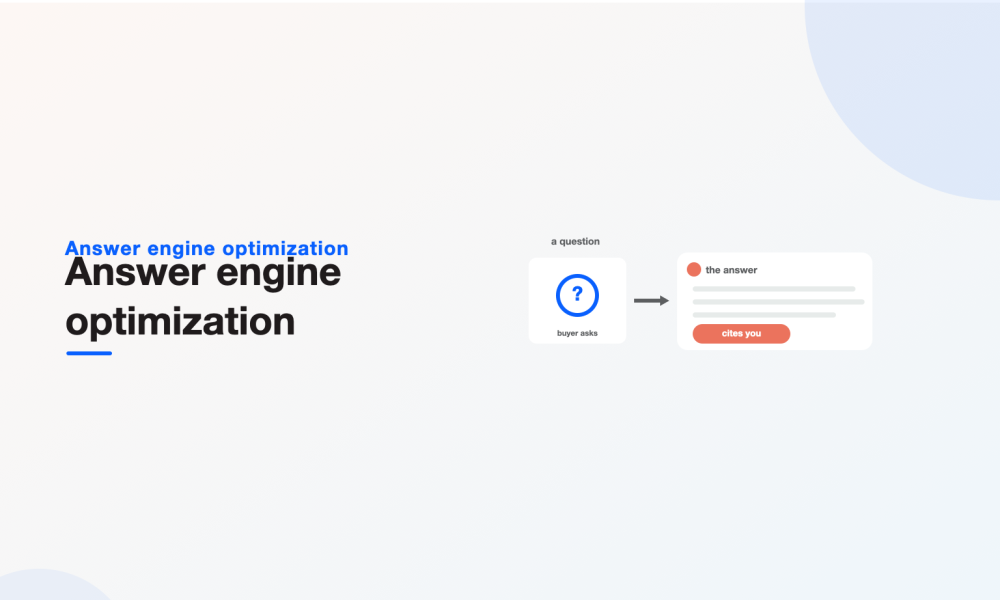
Answer engine optimization is the practice of shaping your online presence so that answer engines, the AI systems that reply to a question with a direct answer rather than a list of links, surface and cite your brand. It covers the assistants people now ask, ChatGPT, Perplexity and Gemini, and the AI Overviews that sit atop search results. Where classic optimization aims to rank a page, this work aims to be the source an engine trusts and quotes when it composes an answer. That means building a clear brand entity, structuring content so it can be extracted cleanly, and earning the citations and trust signals that make an engine confident enough to name you.
Key Highlights
- The discipline aims to be cited inside AI answers, not just ranked in a list of links.
- Answer engines assemble a response from sources they judge authoritative, then attribute a few of them.
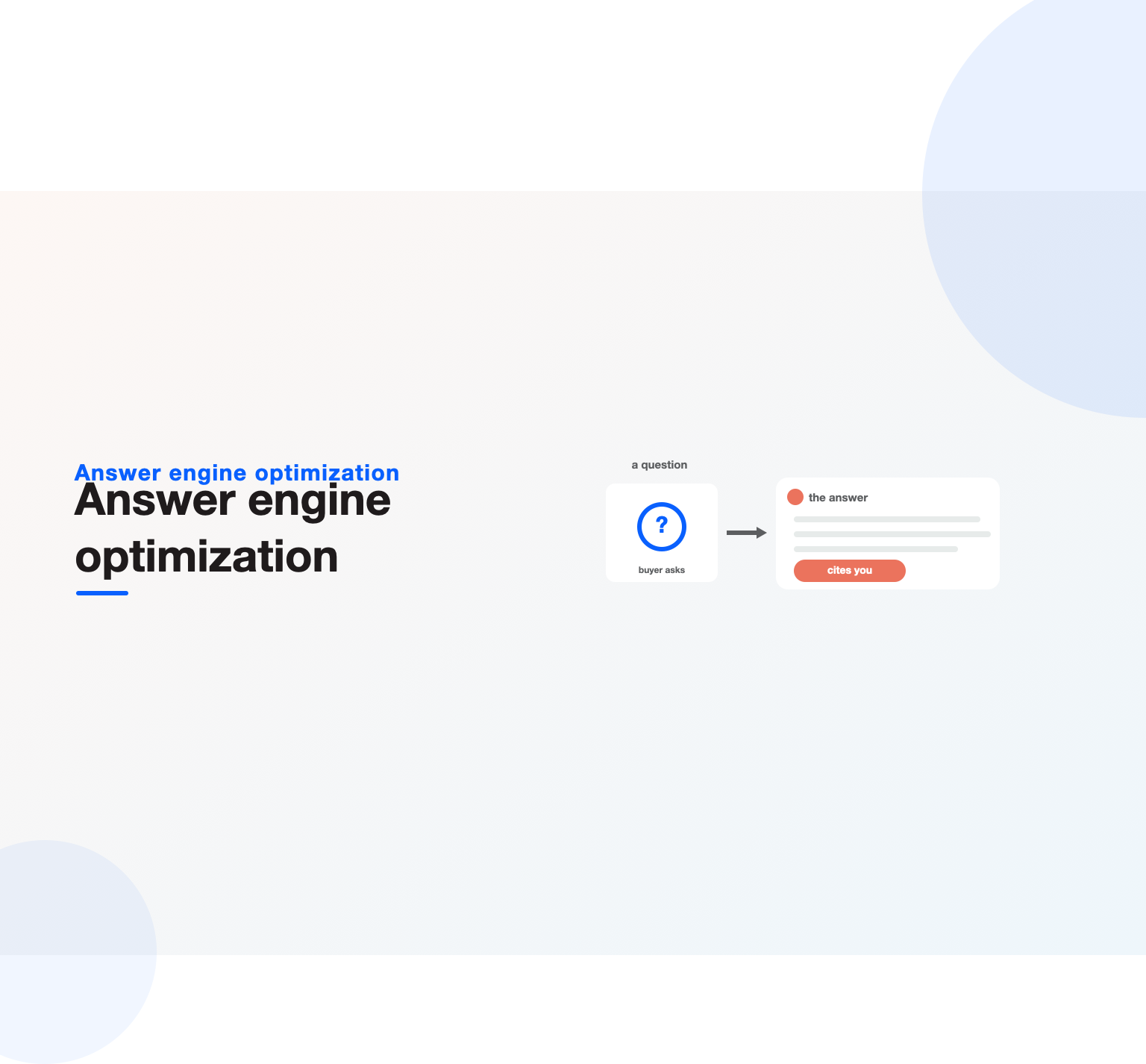
- The core signals are entity clarity, extractable content structure, and citations from trusted places.
- It shares foundations with classic SEO but adds work built specifically for how engines compose answers.
- Measurement shifts from rankings to presence in the answers for your priority questions.
What answer engine optimization means
The way people get information is moving from a page of ranked links to a single, composed answer. When someone asks a question of an assistant or sees an AI Overview above the search results, an engine has read across many sources, decided which to trust, and produced a response that names only a few of them. The discipline exists to make sure your brand is among those named, by shaping your presence so the engines understand who you are, judge you credible, and can lift a clean, quotable passage from your content and attribute it to you. The target is the answer itself, not a position on a page fewer people now scroll.
This is a genuinely distinct discipline rather than a rebrand of old tactics, because the mechanism it optimizes for is new. A traditional approach works to move a page up a ranked list, whereas answer engine optimization works to make a brand extractable and trustworthy to a model that is composing prose. The two share a foundation of clean, authoritative content, but the newer work adds specific effort around entity clarity, content structure and citation building aimed at how engines assemble and source their answers. Treating it as merely a new label for the same activity is the most common way businesses get it wrong.
The stakes are concrete. When an engine answers a buyer question and lists a few providers, the ones it names capture consideration while the rest become invisible, regardless of how their pages rank in the classic results beneath. A business that is cited in the answer is in the conversation; one that is absent is not, and no amount of traditional visibility necessarily fixes that. This is why answer engine optimization has moved from a curiosity to a priority for companies whose buyers increasingly begin their research with a question rather than a search, a shift our overview of answer engine optimization services examines in more detail.
How answer engines actually work
To optimize for answer engines, it helps to understand how they compose a response, because the mechanism dictates the tactics. When a question arrives, the engine interprets the intent, draws on what it learned in training and, in many cases, retrieves current information from the live web, then synthesizes all of it into a single answer. Along the way it decides which sources are authoritative and relevant enough to draw from and, increasingly, to cite by name. The whole process is a series of trust judgments, and answer engine optimization is the work of influencing those judgments in your favor.
Two things follow from this. First, the engine can only cite what it can clearly understand and confidently attribute, which is why entity clarity and clean content structure matter so much; ambiguity gets skipped in favor of sources the model can parse and trust. Second, because many engines retrieve live information, a strong and current presence across the web, not just a single optimized page, shapes what they find and how they weigh you. A brand that is consistently described, well regarded and clearly structured across many trusted sources gives the engine every reason to reach for it when composing an answer.
It also explains why different engines behave differently, and why a capable approach adapts to each. AI Overviews lean heavily on established authority and on content that already performs in classic search. Perplexity is citation-first and visibly links its sources, rewarding clean, quotable pages and credible references. Assistants like ChatGPT reflect both their training data and, in browsing modes, live sources, which rewards a durable, consistent presence rather than a single page. Understanding these differences lets a program emphasize the right signals for the surfaces that matter most to a given business, rather than treating every engine the same.
The pillars of answer engine optimization
Effective work rests on a few foundations, and a serious effort attends to all of them rather than leaning on one. Knowing the pillars helps a business judge whether an approach genuinely understands the discipline.
Entity clarity comes first. An answer engine needs to understand who you are, what you do and whether you are authoritative on a topic, so the work maps and strengthens your brand entity, ensuring consistent, accurate information about you across the sources engines read. When a model can confidently identify and trust your entity, it can cite you; when your identity is fuzzy or inconsistent, even good content struggles to be attributed. This foundational clarity underpins everything else.
Extractable structure is the second pillar. Models quote passages that are easy to lift, so content is structured for extraction: direct answers in the opening lines, question-shaped headings, crisp definitions, comparison tables and clean question-and-answer blocks. The aim is to make each important passage self-contained and quotable, so an engine can pull it and attribute it to you rather than to a competitor who explained the same thing more cleanly. Structure is often the fastest lever to improve, since it is entirely within your control.
Citations and trust form the third pillar. Answer engines weigh what credible third parties say about you, so earning mentions, references and reviews across authoritative sources raises the odds an engine treats your brand as a safe thing to recommend. This off-site trust building is patient, reputation-driven work, and it is frequently what separates the brands that get cited from those that do not. It cannot be shortcut, which is precisely why it is valuable, and why the same discipline drives the citation-focused work a GEO agency performs.
Freshness and accuracy round out the set. Since engines often retrieve current information and prize correctness, keeping your content accurate, up to date and internally consistent helps you remain a source a model is willing to trust. Stale or contradictory information invites the engine to look elsewhere. Maintaining accuracy across your presence is less glamorous than the other pillars but quietly decisive, since a single confident, current, well-structured source beats a scattered, dated one every time.
Answer engine optimization versus classic SEO
The two overlap in foundations but differ in target, and understanding the distinction clarifies what a business needs. Classic optimization aims to rank your pages in the results, focusing on keywords, links and technical health to climb the list. The newer discipline aims to get your brand cited inside the composed answer, focusing on entity clarity, extractable structure and the citations models trust. Both rely on clean, authoritative content, which is why they complement each other, but the newer discipline adds work aimed specifically at how engines synthesize and source their answers.
The measurement changes as much as the tactics. Classic search is judged by rankings and organic traffic, while answer visibility is judged by whether you appear in the answers, how often, and for which questions, metrics that traditional rank tracking cannot see. This means a business serious about the newer discipline needs new instrumentation alongside its existing analytics, not a replacement for it. The reassuring part is that the disciplines reinforce each other: a healthy, authoritative site that ranks well is exactly what an engine tends to trust and cite, so investment in one supports the other rather than competing with it, which is why the strongest programs run classic SEO services and answer optimization together.
Creating content for answer engines
Content is where much of the day-to-day work happens, and the guiding principle is to write genuinely useful material structured so a machine can extract it. That starts with leading each important section with a direct, self-contained answer to the question a reader, or an engine, is asking, then supporting it with the depth that establishes expertise. An engine scanning for a quotable response finds it immediately, while a human reader gets a clear answer followed by substance, which serves both audiences at once.
Structure reinforces that principle throughout a page. Question-shaped headings map to the way people actually ask things, definitions and comparisons give engines clean facts to lift, and dedicated question-and-answer sections address the specific queries buyers pose, in language close to how they pose it. The goal is not to game a formula but to make genuinely good content maximally easy to understand and quote, which is what earns citations. Thin or generic material fails here regardless of formatting, because engines increasingly discount it, so depth and accuracy remain non-negotiable beneath the structure.
Covering a topic thoroughly matters as much as structuring any single page. Answer engines favor sources that demonstrate genuine expertise across a subject, so building a connected body of content that addresses the full range of questions in your area signals authority in a way one isolated page cannot. This is where answer engine optimization and a broader content strategy meet: the same comprehensive, well-organized coverage that builds topical authority for classic search also makes you a richer, more citable source for answer engines, so the effort pays off on both fronts. Planning that coverage against real buyer questions, much as our guide on SEO for business advises, keeps it grounded in demand.
Why this work matters now
The urgency behind the discipline comes from a change in behavior that is already well under way. A growing share of research now happens inside AI assistants and answer features, where a person reads a composed summary and acts on it without visiting a traditional results page at all. Google places generated answers above the classic links for a large and rising share of queries, and standalone assistants field questions that once went to a search box. In that world, visibility means being named in the answer, and a brand absent from it quietly loses consideration no matter how well its pages rank underneath.
What makes the moment pivotal is that authority in these engines is still being decided. The surface is new, so no incumbent has locked in dominance the way large sites have in classic search, and a business that invests early can establish itself as a cited source before the space matures. That window is exactly why so many companies are acting now rather than waiting, since the citations and entity strength built today compound as the engines and their user base grow. Moving early is a genuine advantage that late entrants cannot easily buy back once competitors have already been named in the answers that matter.
There is also a compounding relationship with the rest of search that makes the investment efficient. The authoritative content and clean structure built for answer visibility tend to help classic rankings too, and the trust earned supports presence across both AI answers and traditional results. Framed properly, this is not a gamble on one channel but a strengthening of the whole search foundation, which is how the strongest programs treat it. For businesses that also serve a local market, the same trusted, consistent presence feeds visibility in local search and its own AI answers, so the return extends further than the assistants alone.
Common mistakes to avoid
Several avoidable errors keep businesses from getting cited even when they invest effort. The most common is treating the discipline as a formatting trick, adding a few question-shaped headings to thin content and expecting citations to follow. Engines increasingly discount shallow material, so structure without genuine depth and accuracy fails; the winning approach makes genuinely expert content easy to extract, not weak content look tidy. A second frequent error is neglecting the entity, publishing good pages while leaving the brand poorly defined and inconsistently described across the web, which leaves an engine unsure who to attribute a quote to.
A third mistake is ignoring off-site trust entirely, focusing only on the owned site while doing nothing to earn the third-party mentions and references that engines weigh heavily. That patient citation work is precisely what separates cited brands from invisible ones, so skipping it caps results no matter how polished the pages are. A fourth is flying blind, running the work on instinct without querying the engines to see whether the brand actually appears, so there is no way to tell what is helping. Because the surface is observable, this measurement gap is needless, and closing it turns guesswork into a program that compounds, the same discipline our broader SEO services apply to every channel.
The subtlest mistake is impatience. Citation and entity authority build over months, and businesses that abandon the effort after a few weeks because they have not yet appeared in the biggest, most competitive answers give up just as the narrower questions start to break their way. Understanding the realistic timeline, and funding enough runway for it, is part of doing the work properly rather than a nice-to-have. Setting that expectation honestly at the outset, much as our guide on SEO cost advises for any search investment, prevents the premature abandonment that wastes the effort already spent.
Measuring answer engine optimization
Because the target is the answer, measurement looks different from classic search, and a serious effort instruments it deliberately. The metrics that matter are presence and share: whether your brand appears in the answers for your priority questions, how often, and how you compare with competitors named alongside you, plus the branded lift that follows as more people encounter you inside assistants. Together these show whether the work is turning into visibility where buyers now look, which rankings alone cannot reveal.
Instrumenting this takes intention, since rank trackers cannot observe AI answers. The practical approach is to define the questions your buyers actually ask, query the major engines for them regularly, and log where and how your brand shows up over time, building a baseline and then a trend. Pairing that with your existing analytics connects answer visibility to the leads and revenue it ultimately drives. Because the surface is directly observable, progress is easy to verify, you can see the answers yourself, which makes the work unusually accountable and easy to justify as it compounds.
Getting started with answer engine optimization
A business can begin without a large program by focusing on the highest-leverage fundamentals first. The sensible starting point is to identify the handful of questions where being cited would matter most to your buyers, then check how the major engines currently answer them and whether you appear at all. That quick audit reveals both the opportunity and the gap, and it gives any subsequent work a concrete target rather than a vague ambition to be more visible in AI.
From there, the early work is clear: strengthen the entity so engines can confidently identify you, restructure your most important pages so the answers they contain are easy to extract, and begin earning citations on the sources the engines already trust. These fundamentals overlap with good classic optimization, so nothing is wasted, and they can be started in-house before any specialist help is engaged. As the effort matures, or as competition on your priority questions intensifies, bringing in a partner that lives on these surfaces accelerates progress, the same logic our guide on SEO cost applies to search investment generally. The businesses that start now, while authority in answer engines is still being decided, tend to establish themselves as cited sources before the space matures and competition arrives.
How it fits a connected search strategy
The strongest way to think about this discipline is as one layer of a connected search program rather than a standalone channel. The clean entity, extractable content and third-party trust it builds are the same assets that lift classic organic rankings and, increasingly, decide whether an assistant recommends you. Splitting these efforts across disconnected vendors duplicates the shared foundations and invites conflicting guidance on entities and structure, which is where budget quietly leaks. A single view, where classic rankings, citation presence and answer visibility sit together, makes it far easier to see whether the investment is compounding across every surface.
That integration also shapes how a business should sequence its work. Because the foundations overlap, early effort on entity clarity and content structure pays off in both classic search and AI answers at once, so nothing is wasted by starting there. As the program matures, the more specialized citation work and the answer-side measurement deepen, and the connection to related disciplines, the generative-answer focus a GEO agency brings and the broader AI search optimization picture, becomes clearer. Businesses that plan this way, treating the whole landscape as connected, tend to compound their gains rather than optimizing one surface while another quietly slips. In practice, a business that has already invested in a healthy, authoritative website is further along than it realizes, because the same qualities that earn classic rankings, through disciplined SEO services, are exactly what make a source easy for an engine to trust and cite. The additional work is focused rather than vast: sharpen the entity, structure the priority pages for extraction, earn a few authoritative citations, and instrument the answers so progress is visible. Approached that way, and paired with the local visibility a local SEO program provides for companies with a physical presence, the discipline becomes a natural extension of good search practice rather than an intimidating new field, which is why so many businesses are adding it now. The clearest first move is simply to check how the major engines answer your most important buyer questions today, note whether you appear, and treat any gap as the starting brief, a diagnostic that costs nothing and, as our guide on SEO cost notes, grounds the whole investment in real, observable opportunity rather than guesswork.
For most companies, the practical decision is when to bring in help. Beginning in-house on the fundamentals builds valuable understanding and delivers early gains, and it makes any later partnership more productive because you know what good work looks like. As competition on your priority questions intensifies, or as keeping current with fast-moving engines becomes a job in itself, a partner that lives on these surfaces accelerates progress and brings pattern knowledge from many campaigns. Weighing that against the value of staying visible as buyers move into AI answers, a question our guide on SEO for business helps frame, is the right way to decide, and the same honest, method-first standard that marks a good answer engine optimization partner applies whether the work is done in-house or outsourced.
Key Takeaways
- The discipline shapes your presence so AI answer engines surface and cite your brand, not just rank a page.
- Engines compose answers through trust judgments, so entity clarity, extractable structure and citations are the levers.
- It shares foundations with classic SEO but adds work and measurement built for how engines source their answers.
- Content should lead with direct, quotable answers and cover topics thoroughly to signal genuine expertise.
- Measure presence in the answers for your priority questions, and start early while authority is still being decided.
Frequently asked questions
Direct answers to the questions businesses ask most about answer engine optimization.
What is answer engine optimization?
It is the practice of shaping your online presence so answer engines, the AI systems that reply with a direct answer rather than a list of links, surface and cite your brand. It spans assistants like ChatGPT, Perplexity and Gemini and the AI Overviews above search results. Rather than aiming to rank a page, it aims to be the source an engine trusts and quotes, which means building a clear entity, structuring content for extraction, and earning the citations that make an engine confident enough to name you.
How is it different from traditional SEO?
Traditional SEO optimizes to rank your pages in the classic results, while answer engine optimization optimizes to get your brand cited inside the composed AI answer. That adds work around entity clarity, extractable structure and citations, and it is measured by presence in the answers rather than only by rankings. The two share foundations and reinforce each other, so the best approach runs them together, but the newer discipline targets how engines synthesize and attribute answers, which classic optimization never addressed.
How do answer engines decide which sources to cite?
They interpret the question, draw on training and often on live web retrieval, and synthesize an answer while judging which sources are authoritative, relevant and clearly understandable enough to draw from and attribute. Sources with a clear entity, clean extractable structure and strong third-party trust are easier for a model to parse and confident to cite, while ambiguous or thinly supported ones get skipped. This optimization is the work of influencing those trust judgments in your favor.
Which engines should a business optimize for?
The major ones are Google AI Overviews, ChatGPT, Perplexity and Gemini, and the emphasis shifts across them. Overviews lean on established authority and classic-search performance, Perplexity is citation-first and rewards clean quotable pages, and assistants reflect both training data and live sources, favoring a durable, consistent presence. A capable approach adapts to the surfaces that matter most to a given business rather than treating every engine identically, since each sources its answers a little differently.
Does content matter for answer engine optimization?
Yes, centrally. The winning approach writes genuinely useful, accurate content and structures it so a machine can extract it: direct answers up front, question-shaped headings, clean definitions and dedicated question-and-answer sections. Thin or generic material fails regardless of formatting because engines increasingly discount it, so depth and expertise remain essential beneath the structure. Covering a topic thoroughly, rather than optimizing one isolated page, signals the genuine expertise that makes a source citable.
How do you measure success in answer engine optimization?
By presence and share in the answers: whether your brand appears for your priority questions, how often, how you compare with competitors named alongside you, and the branded lift that follows. Because rank trackers cannot see AI answers, you define the questions your buyers ask, query the engines regularly, and log where your brand appears over time, then connect that to leads and revenue through your analytics. The surface is directly observable, so progress is easy to verify.
How long does answer engine optimization take to work?
Structure and content improvements can help relatively quickly, while the citation and entity work compounds over a few months as authority accumulates. Early movement often appears on narrower, lower-competition questions before spreading to broader ones. As presence builds with the engines and their user base, starting early tends to pay off more than waiting, and since the surface is observable you can track progress throughout rather than trusting that effort is quietly working.
Can a small business do answer engine optimization?
Yes. Since the surface is new and authority is still being decided, a focused small business that strengthens its entity, structures content for extraction and earns genuine citations can establish itself as a cited source before larger rivals, especially on the specific questions its ideal customers ask. Much of the early work overlaps with good classic optimization, so it can begin in-house, with specialist help added as competition on priority questions grows.
Ready to put this into practice?
Talk to the team that runs SEO, AI search and paid growth programs every day.
Book a Strategy Call →