 Skip to content
B2B Growth Consulting
Demand Generation Services
A full-funnel demand generation agency for B2B brands. We build predictable pipeline with intent-led content, paid demand, lifecycle nurture and measurement that ties every rupee to revenue.
- Full-funnel B2B demand
- Pipeline and revenue focused
- Intent data and ABM ready
Our Clients
Brands that have worked with us
From global giants to fast growing startups, teams trust Unified Platforms with their growth.







What Demand Generation Services Covers
- ICP and demand strategy
- Intent-led content and thought leadership
- Paid demand across LinkedIn, Google and Meta
- Lifecycle nurture and lead scoring
- Intent data and ABM
- Pipeline measurement and reporting
Overview
What Demand Generation Services Cover
Demand generation is the discipline of creating durable, measurable demand for what you sell, not just harvesting the small slice of buyers already searching. For B2B brands with considered, multi-stakeholder purchases, that means building awareness and trust with your ideal customers long before they raise a hand, then capturing and converting that demand when they do.
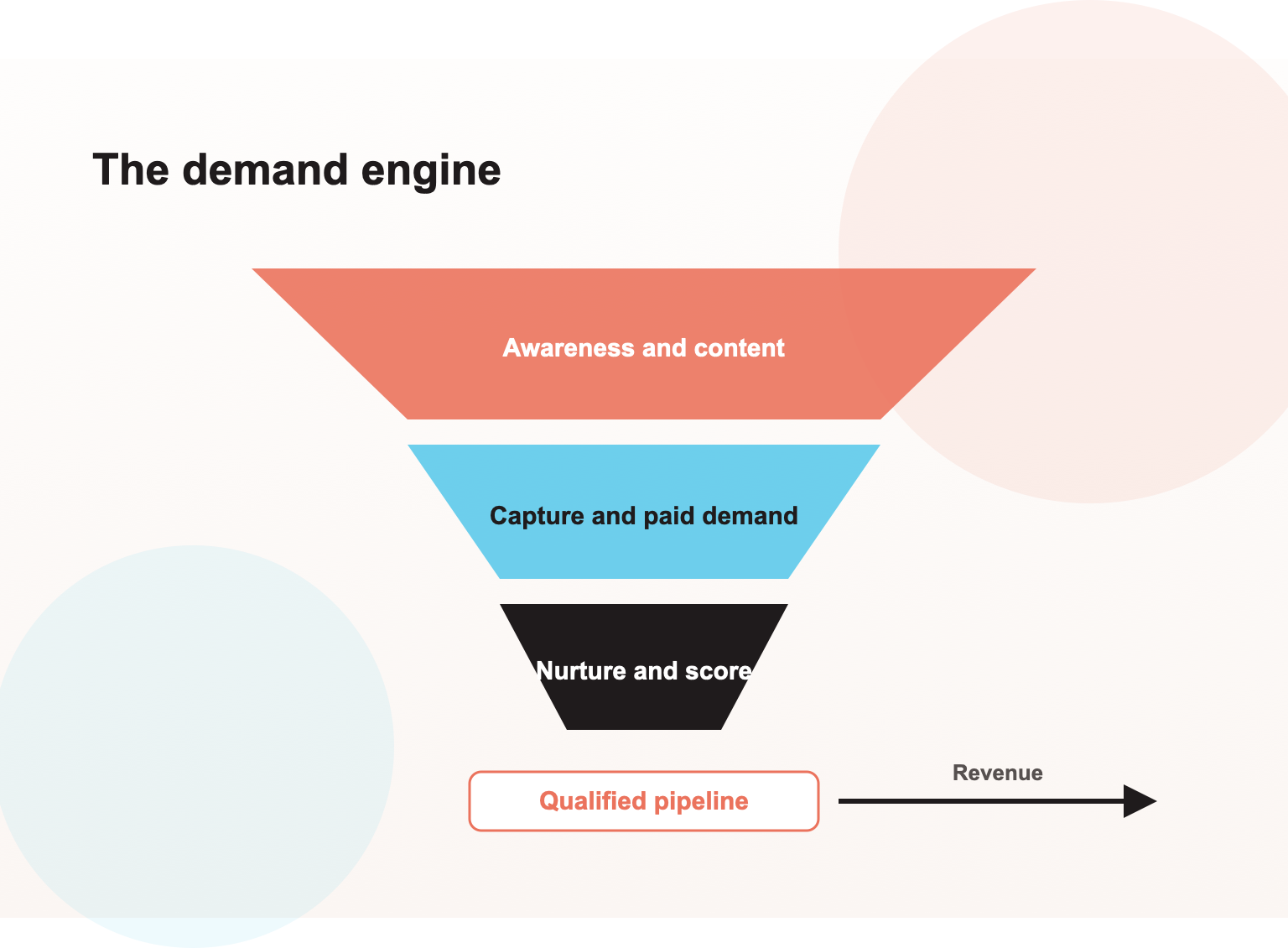
As a demand generation agency, Unified Platforms runs the whole funnel as one system. We combine intent-led content and thought leadership, paid demand across LinkedIn, Google and Meta, lifecycle nurture, and rigorous pipeline measurement, so marketing stops reporting vanity metrics and starts reporting revenue. Most B2B teams do not have a lead problem; they have a demand and conversion problem, and that is exactly what we fix.
Our approach starts from your ideal customer profile and the real buying committee behind each deal. We map the questions, triggers and channels that move those buyers, build content and campaigns that meet them at each stage, and instrument everything so you can see which programs create pipeline and which merely create noise. With 15+ years of performance marketing and content expertise, we have driven 150K+ organic leads and 75M+ in organic traffic for the brands we work with.
There is an important difference between lead generation and demand generation, and it shapes everything we do. Lead generation gates content and counts form fills, many of which never convert because the person was never a real buyer. Demand generation builds genuine market interest, educates the buying committee, and measures qualified pipeline and revenue. The first optimises for volume; the second optimises for outcomes. We build for outcomes.
This matters because B2B buying has changed. Buyers now self-educate through search, AI assistants, communities and peers, and arrive late in their journey already shortlisted. If your brand has not built demand and trust upstream, you are not in that shortlist, no matter how aggressive your bottom-funnel ads are. Demand generation is how you get into the consideration set before the buyer is ready to talk to sales.
We also treat measurement as a first-class deliverable, not an afterthought. Every program is tied to pipeline and revenue through proper attribution, CRM tracking and a reporting cadence your leadership can trust. That is what turns demand generation from a cost centre into a predictable growth engine your board can fund with confidence.
Most of your market is not ready to buy today. In any B2B category, only a small percentage of potential buyers are actively in-market at a given moment; the rest are forming impressions that will decide who they shortlist when they are ready. Programs that only chase the in-market few leave the far larger future demand to competitors. Effective demand generation invests in both: capturing today's demand efficiently while building tomorrow's, so your pipeline compounds instead of resetting every quarter.
A large share of the buyer journey now happens in the dark funnel, the podcasts, communities, peer conversations, search and AI answers you cannot fully track. Buyers form opinions there and arrive at your site already leaning one way. You cannot attribute every touch in the dark funnel, but you can influence it with consistent, useful content and a strong point of view, and you can measure its effect through pipeline and self-reported attribution. We build for that reality rather than pretending every touch is trackable.
This is also why most demand generation underperforms: teams treat it as a series of disconnected campaigns and gated assets rather than a compounding system. A whitepaper here, a webinar there, a burst of ads, none of it connected to a clear point of view, a defined ICP, or a measurement model. We replace that with a coherent engine where content, paid, nurture and measurement reinforce one another and get more efficient the longer they run.
As part of a wider B2B growth consulting practice, our demand generation also connects to the systems that convert demand into revenue: your CRM and marketing automation, lead scoring and routing, sales handoff and attribution. Demand that is created but not operationalised leaks away, so we make sure the pipeline you generate is captured, scored and passed to sales cleanly, and that the reporting closes the loop from first touch to closed revenue.
Finally, demand generation is a compounding asset, not a switch you flip. The content, authority and data you build keep working long after a campaign ends: a strong point-of-view article earns demand for years, an engaged nurture list converts on its own timeline, and a trusted brand gets shortlisted without paying for every click. The earlier you start building that asset, the cheaper your pipeline becomes over time, which is why the best time to invest in demand generation is before you urgently need the pipeline.
ICP and demand strategy. We define your ideal customer profile, the buying committee, and the triggers, questions and channels that move them, then build a demand strategy mapped to each stage of the funnel rather than a scattered set of tactics.
Intent-led content and thought leadership. We create the point-of-view content, research and narratives that build authority and demand with your market, structured to be found in search and cited by AI answer engines where your buyers now research.
Paid demand across LinkedIn, Google and Meta. We run full-funnel paid programs, from awareness and thought-leadership ads to high-intent capture, with creative, targeting and bidding built for pipeline efficiency, not cost-per-click vanity.
Lifecycle nurture and lead scoring. We build the email and lifecycle flows, lead scoring and routing that turn early interest into sales-ready pipeline, so no demand you created leaks away between marketing and sales.
Intent data and ABM. For target-account motions, we layer intent data and account-based programs so your demand spend concentrates on the accounts most likely to buy, coordinated across marketing and sales.
Pipeline measurement and reporting. We instrument attribution, CRM tracking and a clear monthly reporting cadence that ties every program to qualified pipeline and revenue, so you always know what is working and where to invest next.
The Difference
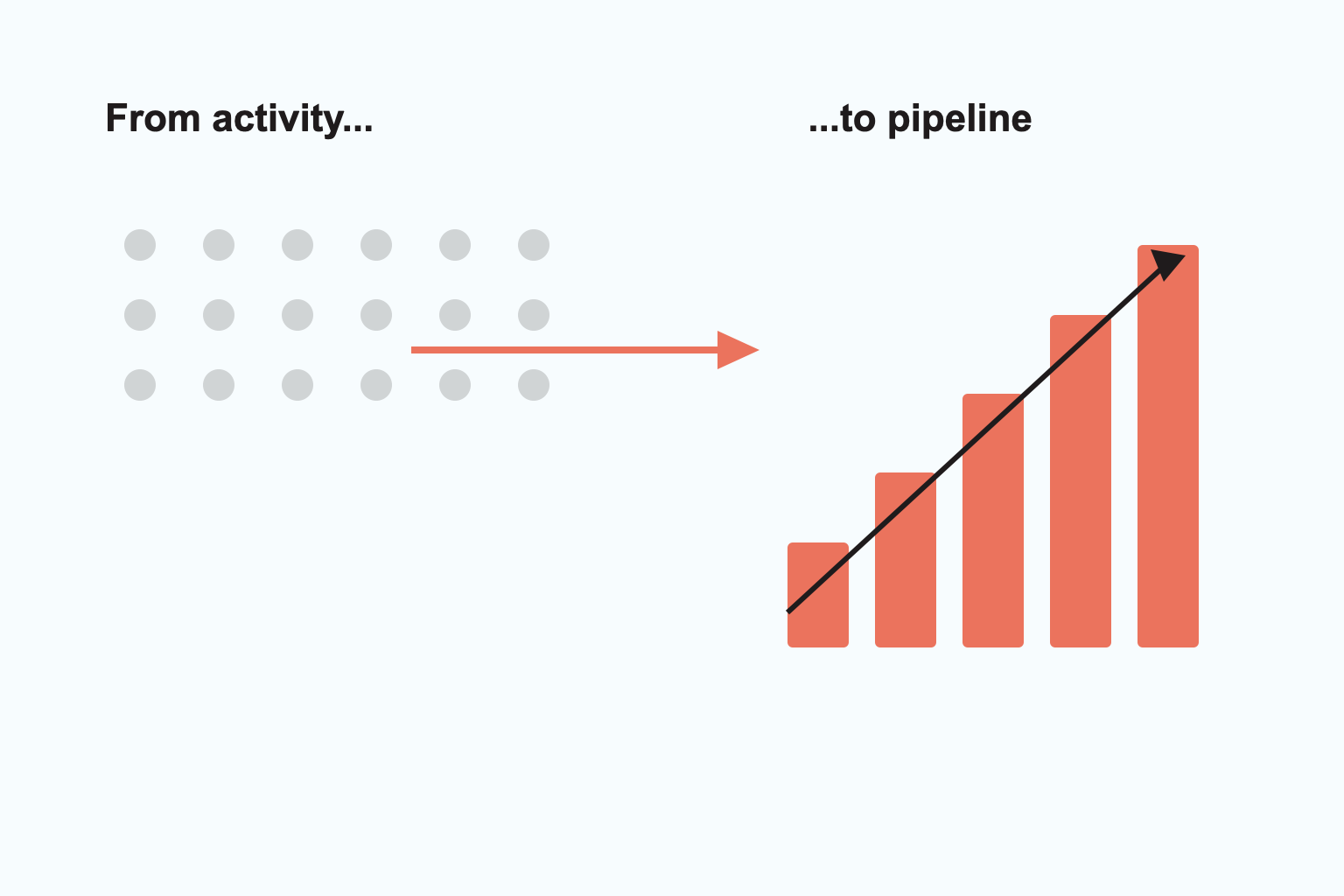
From activity to pipeline
Most B2B marketing teams are busy but cannot show pipeline. We rebuild demand generation around one question: did this create qualified pipeline and revenue? Everything we run, content, paid, nurture and ABM, is measured against that answer, so your marketing spend becomes a growth engine your board can fund with confidence.
Book a Strategy CallOur Process
How We Build Your Demand Engine
A disciplined sequence, adapted to your competitive landscape. Open each step.
01Demand audit and ICP definition
02Strategy and channel plan
03Build and launch
04Nurture, score and hand off
05Measure, optimise and scale
Why Unified Platforms
Why Choose Unified Platforms for Demand Generation
The working habits behind every engagement.
Full-funnel, not point tactics
We run awareness, capture, nurture and measurement as one connected system, so demand you create upstream actually converts to pipeline downstream.
Pipeline and revenue focus
We report qualified pipeline and revenue, not form fills and impressions, and tie every program back to the number your leadership cares about.
Content plus paid under one roof
Our content, SEO, AI-search and paid teams work together, so your organic authority and paid demand reinforce each other instead of running in silos.
Built for modern B2B buying
We build demand for buyers who self-educate through search, AI assistants and peers, getting you into the shortlist before the buyer is ready to talk to sales.
Measurement you can trust
Proper attribution, CRM tracking and a transparent reporting cadence mean you always know which programs create pipeline and which do not.
Proven performance team
15+ years of performance marketing and content, with 150K+ organic leads and 75M+ organic traffic driven for the brands we work with.
Industries
Industries We Work With
Deep experience across the sectors we serve, with strategy tailored to each.
Ready to build predictable B2B pipeline?
Book a free demand generation consultation. We will review your funnel, ICP and current pipeline sources and show you the fastest path to predictable, measurable demand.
Book a Strategy CallQuestions
Frequently Asked Questions
Straight answers before you ever get on a call.
Demand Generation Essentials
What is the difference between demand generation and lead generation?
How is demand generation measured?
How long before demand generation produces pipeline?
Do you do the content and creative, or only strategy?
Which channels do you use for demand generation?
Working With Us
Is demand generation only for large enterprises?
How does demand generation work with our sales team?
How is demand generation different from just running ads?
Do you use intent data and account-based marketing?
What does a demand generation engagement include?
How much do demand generation services cost?
Should we hire a demand generation agency or build in-house?
What does the first 90 days look like?
What kinds of content does demand generation need?
How do you report on demand generation, and how often?
Which martech and CRM tools do you work with?
Can you work with our existing marketing automation setup?
What causes a demand generation program to fail?
Do you guarantee a number of leads or pipeline?
How does demand generation fit with our other marketing?
How do you approach demand generation for SaaS specifically?
What is the role of thought leadership in demand generation?
Is demand generation only relevant for B2B?
Let's map your demand generation engine
Tell us your ICP and revenue targets. We will map a full-funnel demand plan and the pipeline it can create.
Book a Strategy CallExplore more